Title: Psychosocial Needs Assessment of Frontline Workers Responding to Covid-19 Purpose To facilitate the development of Psychosocial Interventions to reduce Covid-19 related psychosocial distress and illnesses among frontline health workers and improve access to health care for people living with disabilities including mental disability Location Greater Accra and Western Regions Duration 24 November – 8th […]

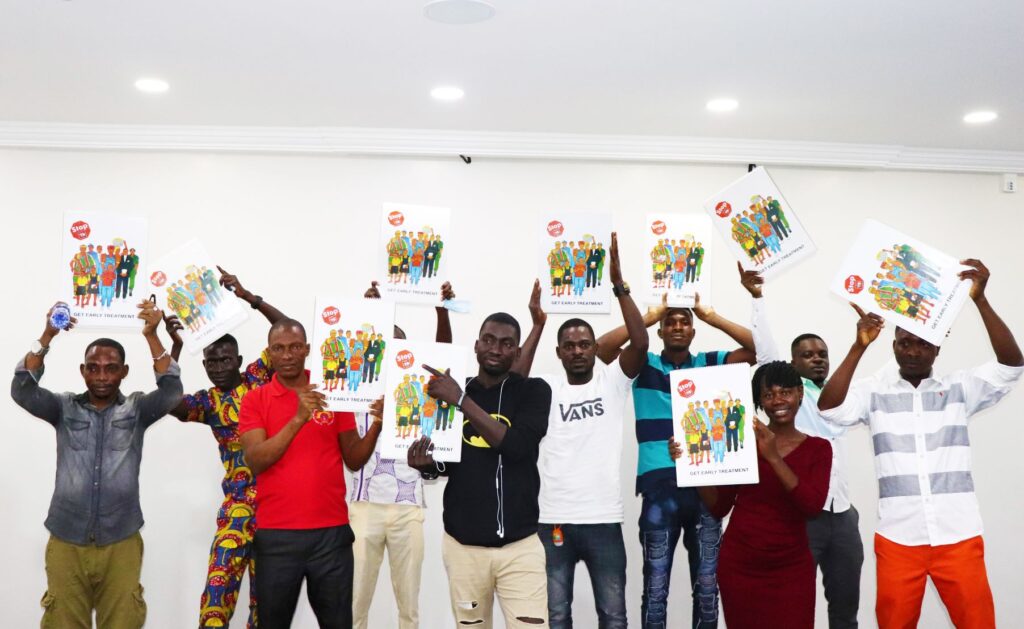
Ending Tuberculosis in Ghana: The Contribution of TB Champions in Community Case Identification
Tuberculosis (TB) was declared a global emergency in 1993 by the World Health Organization (WHO). Despite available interventions initiated by the WHO and some countries, the disease remains a key public health concern. The rates of TB infection and its associated burden is unevenly distributed across the globe with greater severity in lower and middle […]
Models of Hope support HIV care delivery in Ghana
The HIV situation remains a challenge with an estimated 38 million people infected worldwide as of 2019 (UNAIDS, 2019). In Ghana, the Ghana AIDS Commission estimates about 342,307 people living with HIV/AIDS in 2019 out of 30.5 million Ghanaians (GAC, 2019). Despite all endeavors in HIV/AIDS testing and linkages, enrolment and sustaining clients on treatment […]
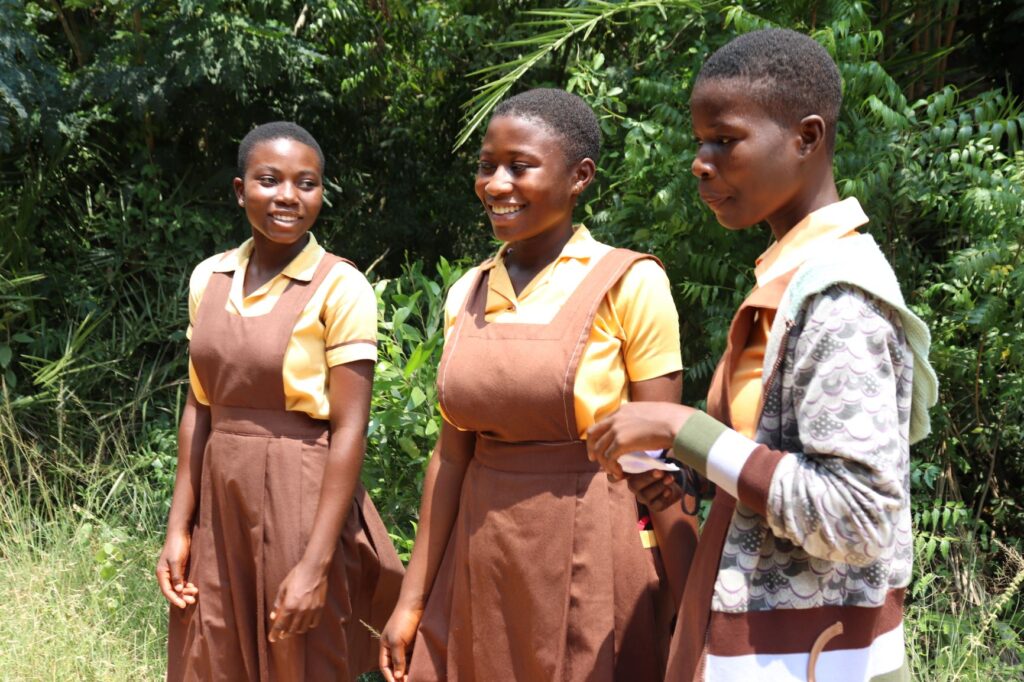
Protect girls from sexual exploitation – Government urged
Hope for Future Generations (HFFG) is calling on the government to facilitate the removal of cultural practices that expose adolescent girls to sexual exploitation. According to the Ghana AIDS Commission SP, 2020-2024, three in four new HIV infections among adolescents in sub-Saharan Africa are girls while young women between the ages 15 and 24 years […]
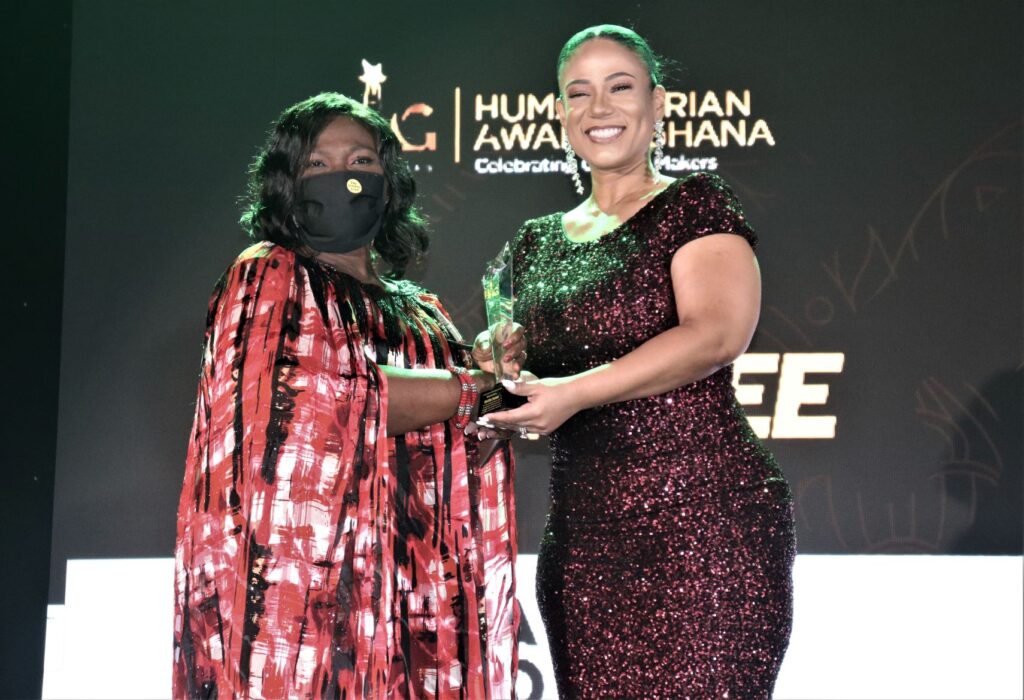
Our Founder and Executive Director, Mrs. Cecilia Senoo receives Humanitarian Award
The Founder and Executive Director of Hope for Future Generations (HFFG), Mrs. Cecilia Lodonu-Senoo, has been honoured with an award for her unwavering passion for upholding the rights and well-being of the vulnerable, especially women and children in Ghana. Mrs. Cecilia Senoo was presented with an honorary award at the maiden Humanitarian Awards Ghana (HAG), […]
To Defeat COVID-19, Protect Progress Against HIV, TB and Malaria, and Save Lives, We Must Unite to Fight
COVID-19 struck and disrupted health, school, businesses, travel, play, prayer, and livelihoods. We have had to make decisions that affect our health in a way only seen and done in health facilities. While going out to the shop, we have to wear a mask, sanitize our hands and ensure the body temperature is right. COVID-19 […]
Leaving no one behind: Empowering Young People Living with Disabilities Under the Guso Project
Young Persons Living with Disabilities (YPWDs) need Sexual and Reproductive Health information, education and services so that they can make informed Sexual and Reproductive Health and Rights (SRHR ) decisions for themselves and live healthy. As an organization that prioritizes the inclusiveness of Young Persons Living with Disabilities in the design, implementation, monitoring and […]
Watershed: Giving Rural Communities Voice at the Table with Local Government.
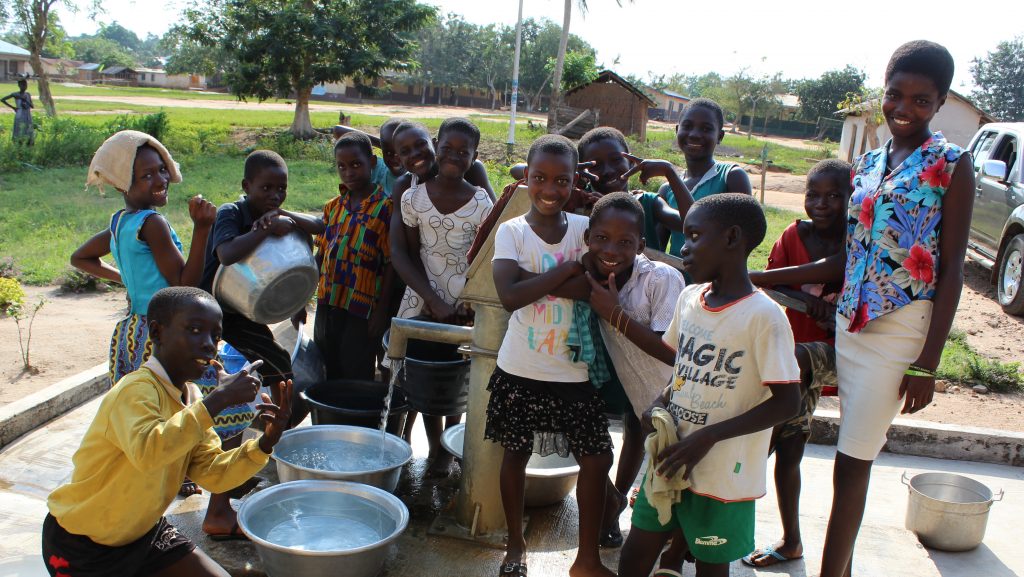
As an implementing partner of SIMAVI on the Watershed Programme, Hope for Future Generations (HFFG) is working with rural communities in Tarkwa Nsuaem Municipal Area in Western Region of Ghana; to empower citizens to do lobby and advocacy on water and sanitation. HFFG developed Community Score Card indicators with the citizens and the local government representatives […]
Working With Persons With Disability
With growing concern over increasing trend in the world’s disabled population, the thought that 80 percent of that figure live in developing countries presents even greater worry, giving the fact that persons with disabilities are most discriminated against in Ghana. Persons with disabilities across the world a known to attract less attention as far education, […]
Working With the Savelugu School for the Deaf
Young Persons Living with Disability (YPWDs) need Sexual and Reproductive Health information, education and services so that they can make informed SRHR decisions for themselves and live healthily. However, many young persons living with impairments face numerous barriers to SRHR information and services. For those even in school, existing education materials do not fully cover […]