• Home
  • About Us
  • Our Projects
  • Our Results
  • News
  • Contact
Get involved
News

Protecting Pregnant Women and Babies from Malaria
November 2, 2021 HFFG
Immunization Advocacy Innitiative

Children under age five are the most vulnerable to malaria infection. In 2019, the World Health Organization (WHO) estimated that they accounted for 67% (274 000) of all malaria deaths worldwide.

Intermittent Preventive Treatment of Malaria in Pregnancy with Sulfadoxine-Pyrimethamine (IPTp-SP) for Pregnant Women has been identified to decrease placental parasitaemia and improves birth outcomes.

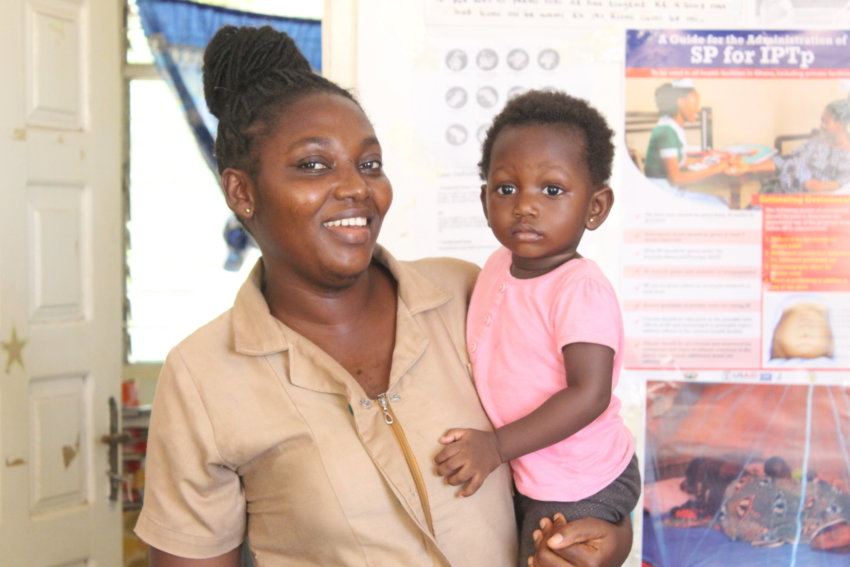
For this reason, HFFG as a partner of the Ghana Health Service in implementing the National Malaria Control Project in Twifo Atti-Mokwa District in the Central Region has vigorously been reaching out to pregnant women to visit health facilities for their Sulfadoxine-Pyrimethamine (SP) doses to ensure that their unborn babies are protected from malaria.

Expectant mothers are encouraged to get early and regular prenatal care as it helps decrease the risk of complications during child birth. Thus, it enables health care providers to identify, diagnose and treat or manage conditions before they become serious.

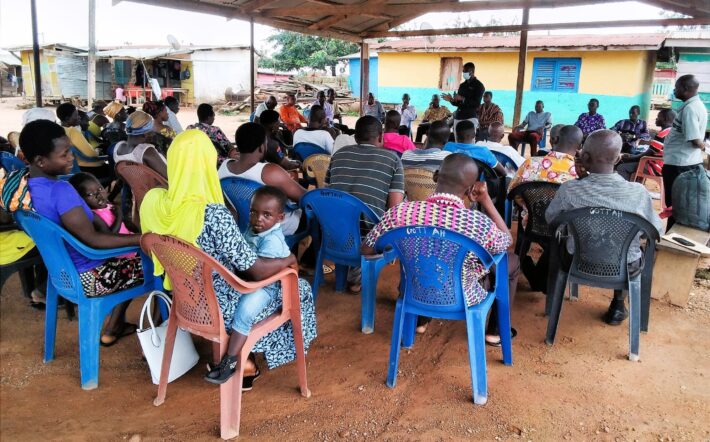
As part of activities to help achieve the goals of the project, HFFG Project staff paid a working visit to Twifo Eduabeng CHPS compound to engage with the Ghana Health Service Staff in charge of the facility to receive update on SP uptake and other related issues. 

During the visit, it was realized that, in as much as many pregnant women were visiting the health facility for care, some were defaulting in taking their medications, hence the need for more sensitization and awareness.  

What can be done to protect pregnant women and unborn babies?

  • HFFG Project staff together with the Health Officer in charge of the facility have established a pregnancy school which will give psychosocial support, intensify education on malaria control interventions, socio-economic empowerment and other relevant activities. 
  • Another strategy is the involvement of pregnant women spouses in pregnant school to help improve attendance and SP uptake.  During the school sessions, gifts are awarded to regular attendees to motivate mothers to do same. Additionally pregnant women who provide right answers to questions are also rewarded.
  • IPTP
  • Malaria
  • malaria in children
HFFG

Post navigation

Previous
Next

Leave a Reply Cancel reply

You must be logged in to post a comment.

Search

Categories

  • Active Project (17)
  • Annual Report (1)
  • Development (1)
  • Jobs (13)
  • News (108)
  • Newsletter (2)
  • Our Success Stories (20)
  • Past Project (7)
  • Press Release (12)

Recent posts

  • Neglected Tropical Diseases
    Call for Applications: Consultancy for a baseline study on Skin NTDs
  • HFFG Launches the Adolescent Girls and Young Women (AGYW) Project in Ghana
  • Call for Consultancy: Project Endline Study on Neglected Tropical Diseases

Tags

2024 NGOs Adolescent Girls and Young People Affirmative Action Bill AGYW AIDS 2024 Baseline Study CHAG children living with HIV Climate Change communities Consultancy COVID-19 CSS Dwabo French Embassy in Ghana Gender Equity GFAN Ghana Ghana Health Service Ghanaian women Ghana parliamentary select committee on health Global Fund Green Skills HFFG HFFG Annual Report HIV HIV in Ghana Hope For Future Generations Immunization Immunization Ghana IYD 2023 Malaria National Malaria Control Program National Tuberculosis Control Program (NTP) Neglected Tropical Disease NGOs in Ghana OneImpact Paediatric HIV Sexual Reproductive Health and Rights social accountability Somubi Staff meeting TB TB ImpactGH Tubercluosis

Related posts

News, Our Success Stories

Malaria in Pregnancy: HFFG project team saves woman from losing baby.

May 10, 2022 HFFG

Malaria infection in pregnancy is a major cause of maternal death, maternal anaemia, and other adverse pregnancy outcomes. The World Health Organization (WHO) in 2018 estimated that 11 million pregnant women were infected with malaria in areas of moderate and high disease transmission in sub-Saharan Africa. As a result, nearly 900,000 children were born with […]

Giving equal opportunities to women,
children and young people.

Facebook-f Instagram X-twitter Tiktok Youtube Icon-linkedin

Links

  • News
  • Contact
  • Careers
  • About Us
  • Our Works
  • Our Reports

Stay in touch

  • +233 (0) 303 971 433
  • +233 (0) 303 971 435
  • info@hffg.org

© Hope For Future Generations. All rights reserved.